Detecting the unseen: infrared thermography identifies heat, air and moisture problems
Infrared (IR) property surveys use specialized thermal imaging cameras to detect invisible heat variations, identifying energy loss, moisture intrusion, electrical faults, and insulation gaps in buildings.
These non-invasive inspections can help to reduce energy costs, prevent structural damage, and locate hidden issues early.
Key Applications and Benefits
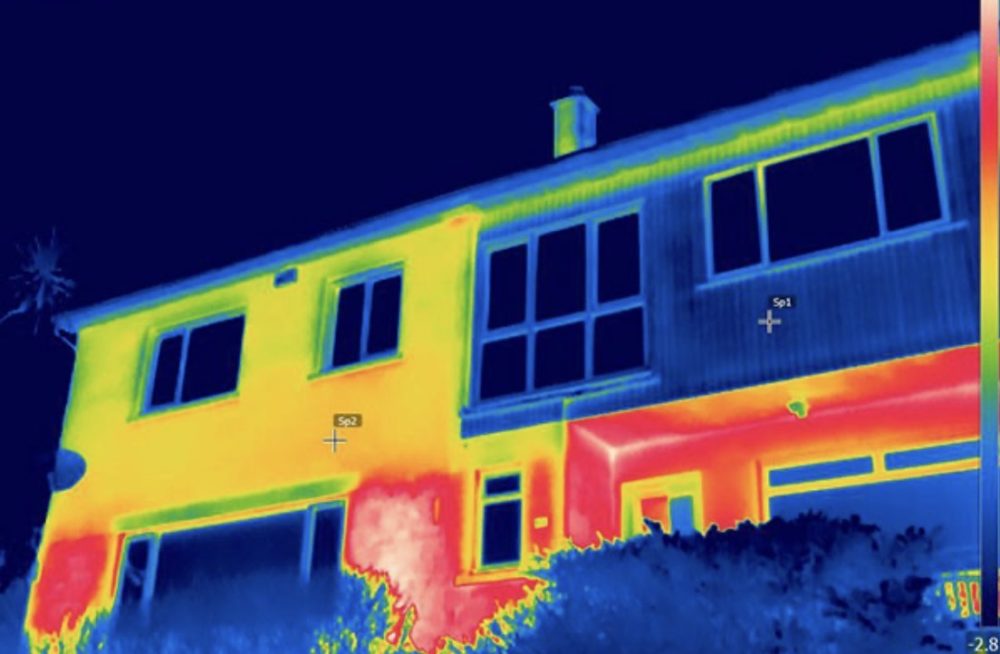
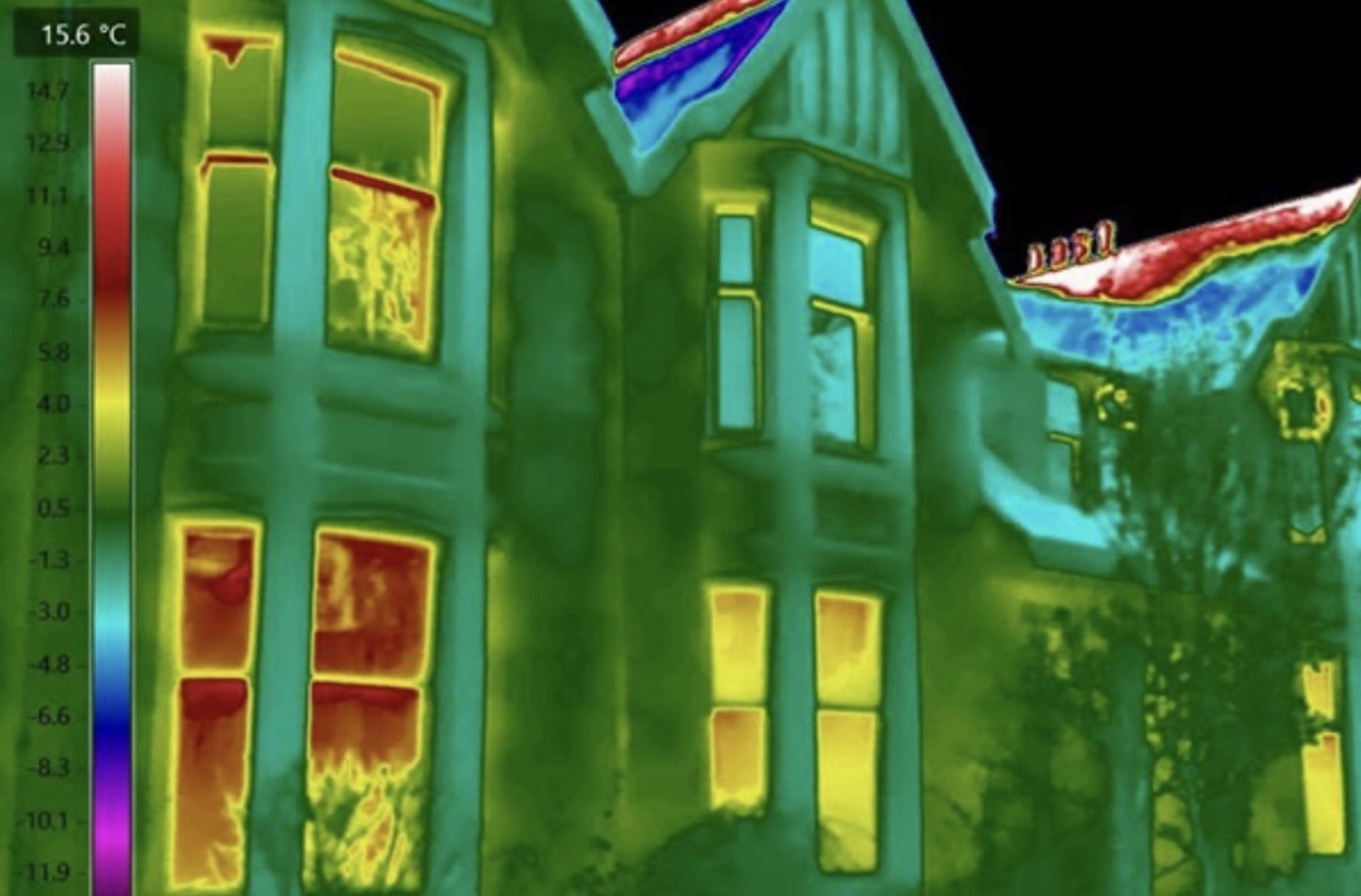
- Energy Efficiency: Detects thermal bridging, air leaks, and missing or damaged insulation, allowing for targeted, cost-effective repairs.
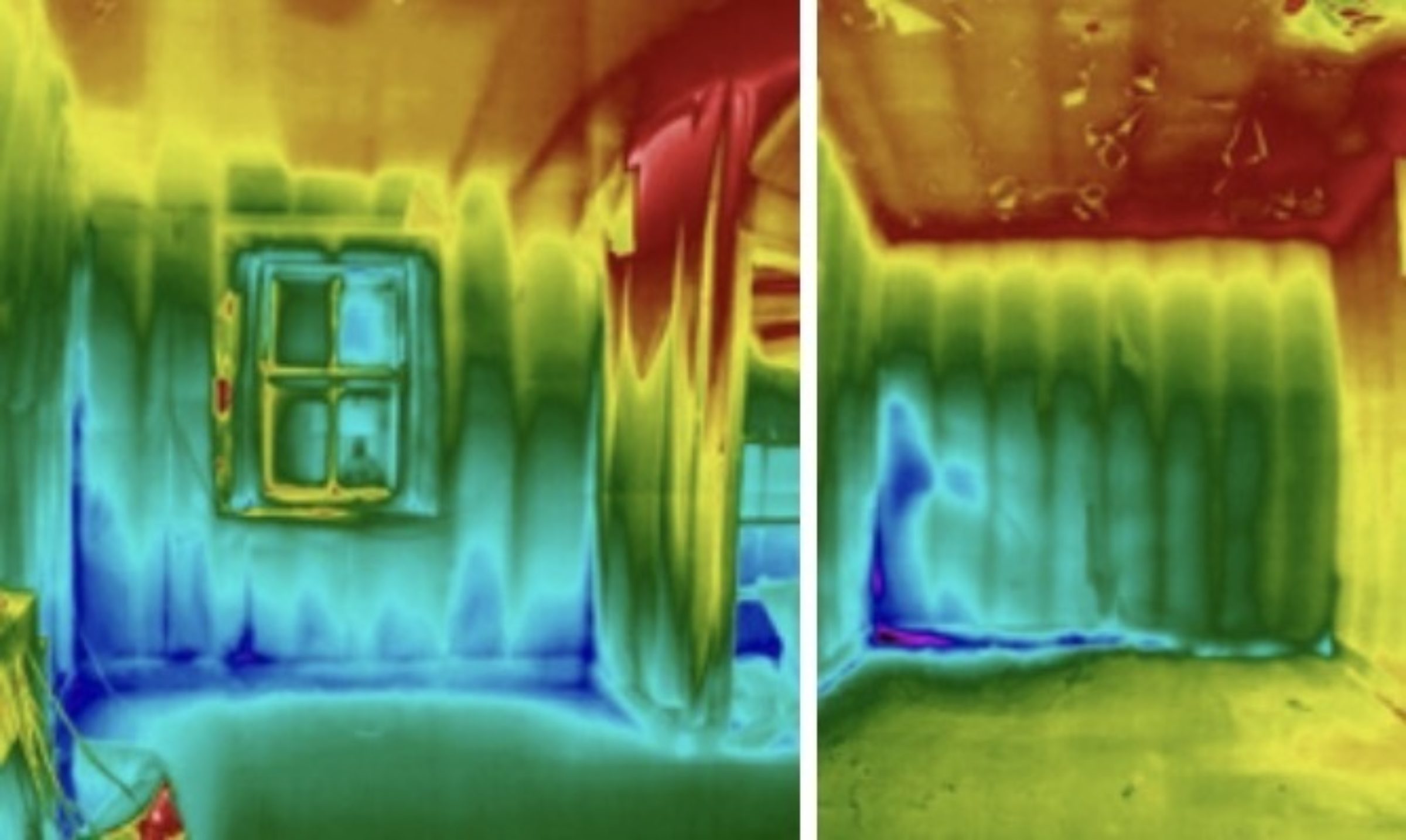
- Moisture & Leak Detection: Identifies hidden water ingress in roofs, walls, and floors before they cause significant damage.
- Electrical Inspection: Locates overheating circuits and components in electrical distribution equipment, mitigating fire risks.
- Structural Investigations: Pinpoints hidden structural defects, such as condensation, delaminating render, and draughts.
- Commercial/Industrial Use: Used for assessing building envelopes and monitoring equipment conditions to prevent downtime.
How It Works
- Visualizing Heat: Infrared cameras map temperature differences on surfaces.
- Analysis: Warmer areas (red/white) usually indicate heat loss, while cooler areas (blue/black) can indicate cold spots or moisture.
- Process: Often involves both interior and exterior scans, sometimes using drones for large or inaccessible structures.
Infrared thermography is recognized as a valuable tool for, and is used in building control, ensuring compliance and performance standards are met.
For more detailed information, head over to lakelandpropertystudio.co.uk